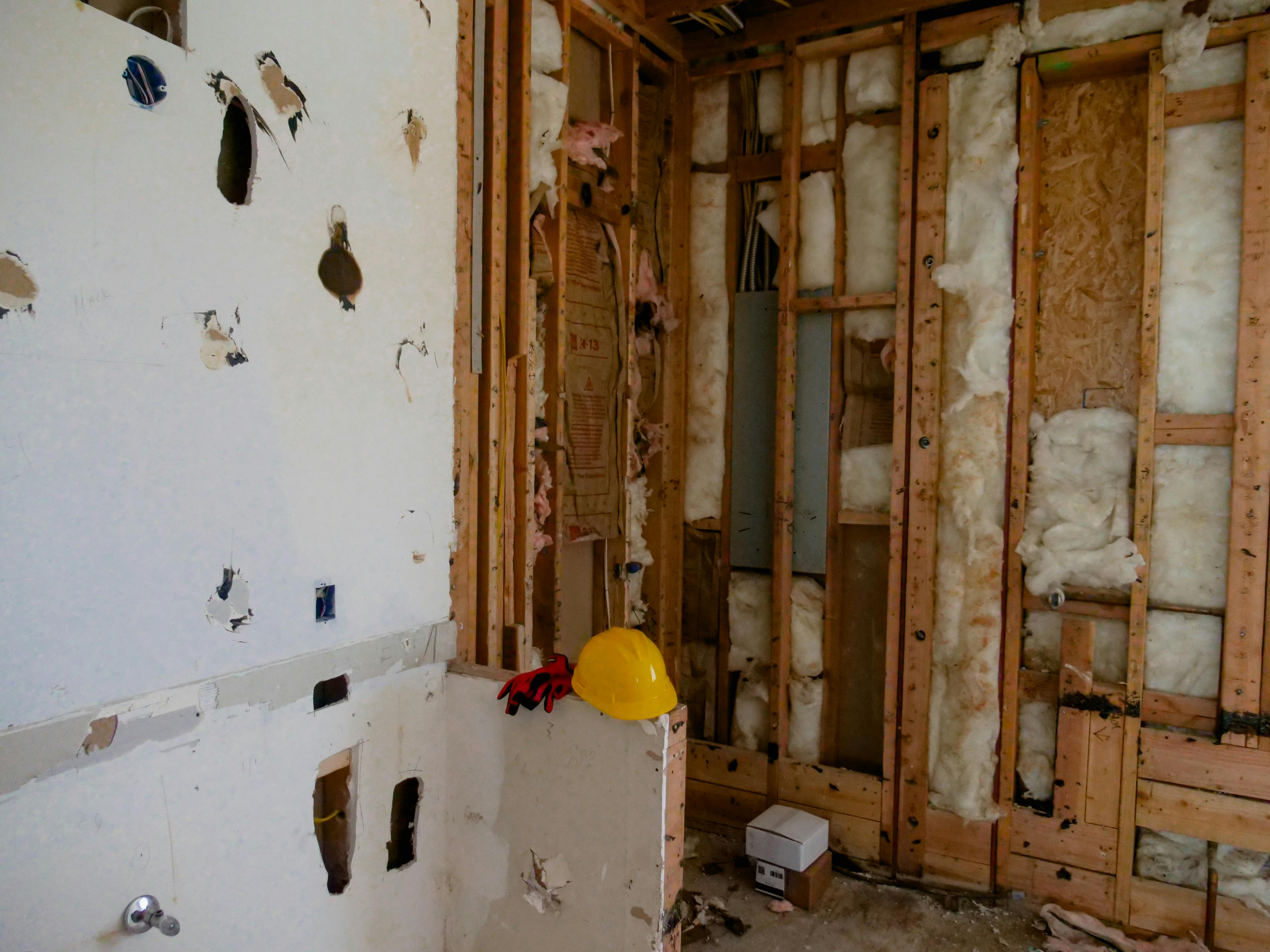
Transforming your living space can significantly enhance your home?s aesthetic appeal and functionality. Residential remodeling services offer homeowners the opportunity to revitalize their interiors and exteriors, cater to growing family needs, or simply add a touch of modernity to an older property. Whether it’s a complete overhaul or a specific room update, professional remodeling services can turn a vision into reality. This article explores how residential remodeling can transform your space, offering insights into planning, execution, and the potential benefits.
Understanding the Scope of Residential Remodeling
Residential remodeling encompasses a broad range of services aimed at improving different aspects of a home. From minor updates to major renovations, the scope can vary greatly depending on individual needs and preferences. Key areas often targeted include:
- Kitchens: Upgrading appliances, cabinets, and countertops to modern standards.
- Bathrooms: Enhancing functionality and aesthetics with new fixtures and fittings.
- Living Areas: Creating open-concept spaces, improving lighting, and updating d?cor.
- Basements: Converting unused spaces into functional rooms like offices or entertainment areas.
- Exteriors: Improving curb appeal through landscaping, painting, and structural updates.
For those interested in a comprehensive overview of residential remodeling possibilities, find additional information here.
Planning Your Remodeling Project
Setting Clear Goals
Before embarking on a remodeling journey, it is crucial to set clear objectives. Consider what you hope to achieve with the remodel. Is it to increase property value, enhance living conditions, or simply update the style? Having a clear vision will guide the project and help in making informed decisions.
Budgeting and Financing
Budgeting is a fundamental aspect of any remodeling project. It is essential to create a realistic budget that includes all potential costs. Considerations should include:
- Materials and labor costs
- Permits and fees
- Unexpected expenses
Various financing options are available, from home equity loans to personal savings. Explore further insights here on managing finances for remodeling projects.
Executing the Remodeling Process
Choosing the Right Professionals
Selecting competent professionals is critical to the success of a remodeling project. Look for experienced contractors who understand your vision and can deliver within your budget and timeline. Check portfolios and references to ensure quality and reliability.
Project Management and Communication
Effective communication between homeowners and contractors is vital throughout the remodeling process. Regular updates and feedback loops help ensure that the project stays on track and meets expectations. Read more about this topic to understand the importance of communication in remodeling projects.
The Benefits of Residential Remodeling
Investing in residential remodeling brings a multitude of benefits, including:
- Increased Property Value: Well-executed remodels can significantly boost a home’s market value.
- Enhanced Aesthetic Appeal: Updated designs can make living spaces more visually appealing and enjoyable.
- Improved Functionality: Remodeling can address inefficiencies and enhance the practical use of space.
- Energy Efficiency: Modern upgrades often include energy-efficient solutions, reducing utility bills.
For those seeking to understand the broader impact of remodeling on home value and lifestyle, learn more in this detailed guide.
Conclusion
Residential remodeling offers a unique opportunity to transform living spaces into personalized havens that reflect individual tastes and needs. By understanding the scope, planning meticulously, and executing effectively, homeowners can achieve remarkable results. Whether the goal is to update a single room or undertake a full-scale renovation, the potential benefits are substantial. For further guidance and to begin the transformation process, explore further insights here.
About the Author