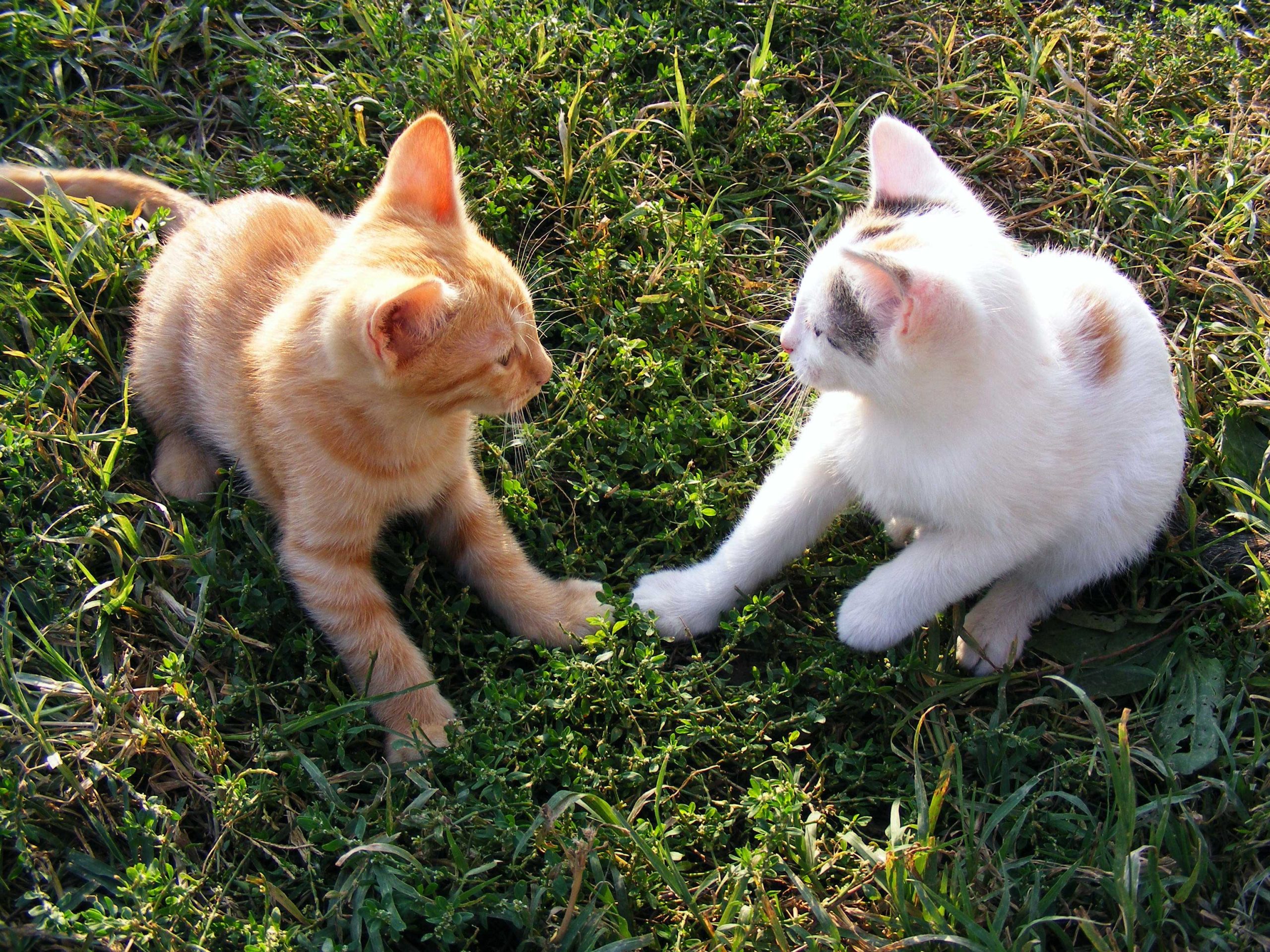
The companionship of a cat can bring immense joy and comfort. However, safeguarding their health remains a top priority for pet owners. Among the numerous health concerns for felines, Feline Leukemia Virus (FeLV) presents a significant threat. It’s a contagious viral infection affecting cats worldwide, leading to severe health complications and often proving fatal. Vaccination against Feline Leukemia is a critical preventative measure to protect cats from this insidious disease, ensuring a longer, healthier life for these beloved pets.
Understanding Feline Leukemia Virus (FeLV)
Feline Leukemia Virus is a retrovirus that compromises a cat’s immune system, making it vulnerable to various infections and illnesses. The virus spreads through saliva, blood, and to a lesser extent, urine and feces. Cats can contract FeLV through mutual grooming, shared food and water bowls, or fights with infected cats. Once a cat is infected, it may take weeks to months for symptoms to manifest, complicating early detection.
Symptoms of Feline Leukemia
- Loss of appetite
- Weight loss
- Pale gums
- Persistent fever
- Swollen lymph nodes
- Recurrent infections
These symptoms often mimic other illnesses, which is why regular veterinary check-ups and blood tests are essential for early diagnosis and management of FeLV.
The Importance of Vaccination
Vaccination is the most effective way to protect cats from Feline Leukemia. The cat feline leukemia vaccine stimulates the cat’s immune system to produce antibodies against the virus, reducing the risk of infection. It’s particularly vital for kittens, as they are more susceptible to the virus due to their developing immune systems.
Benefits of the Feline Leukemia Vaccine
- Prevents the spread of FeLV to other cats
- Reduces the risk of developing associated diseases
- Enhances the overall quality of life
- Supports long-term health and longevity
Administering the vaccine is recommended for all kittens and adult cats that have access to the outdoors or live in multi-cat households where the risk of exposure is higher.
Vaccination Schedule and Protocols
The vaccination protocol begins with two doses, administered three to four weeks apart, followed by annual boosters. For kittens, the first dose is typically given at around eight weeks of age, with subsequent doses aligned with their overall vaccination schedule. It is crucial to consult with a veterinarian to tailor the vaccination schedule to each cat’s specific needs.
Considerations for Indoor Cats
While indoor cats have a lower risk of contracting FeLV, vaccination might still be recommended in certain circumstances, such as:
- Living in areas with high FeLV prevalence
- Frequenting boarding facilities or cat shows
- Residing in households with FeLV-positive cats
A veterinarian’s guidance is invaluable in determining the necessity of the vaccine for indoor cats.
Conclusion
The Feline Leukemia Virus remains a serious health threat to cats, yet it is preventable through diligent vaccination practices. By ensuring that cats receive the cat feline leukemia vaccine, pet owners can significantly mitigate the risks associated with this disease. Regular vaccinations, coupled with periodic veterinary evaluations, form the cornerstone of effective feline healthcare. As guardians of these cherished companions, understanding and implementing preventive measures is essential for fostering a safe and healthy environment for cats.
About the Author