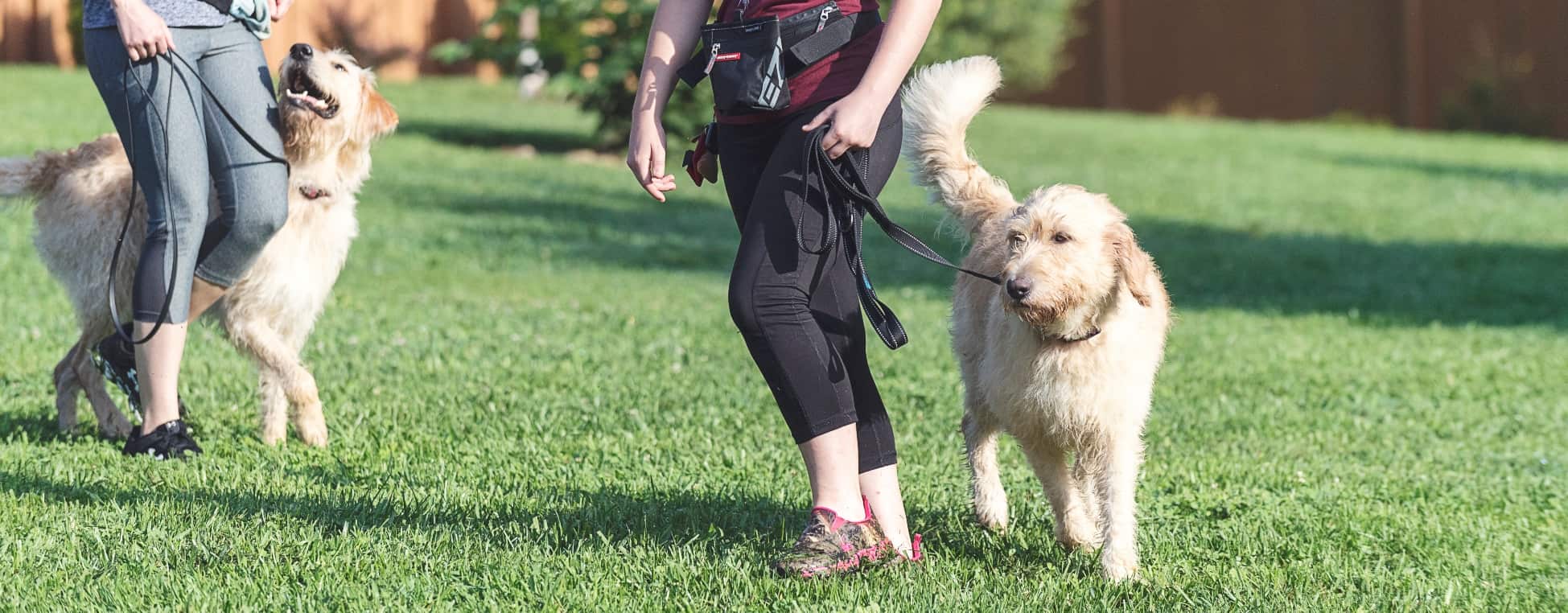
Dog behavior modification training is essential for developing a harmonious relationship between pets and their owners. It focuses on gently altering undesired behaviors through positive reinforcement and structured techniques. This approach not only benefits the dog’s overall well-being but also enhances the bond between the dog and its owner. Understanding these methods can transform the way dogs integrate into human environments, making them more sociable and well-adjusted family members. By employing proven techniques, even the most challenging behaviors can be corrected effectively.
Understanding the Basics of Dog Behavior Modification
Behavior modification in dogs involves changing unwanted behaviors through consistent and humane methods. The key components include:
- Positive Reinforcement: Rewarding desired behaviors to encourage their recurrence.
- Consistency: Applying the same techniques and rules to ensure dogs understand expectations.
- Patience: Allowing time for dogs to learn and adapt to new behaviors.
To delve deeper into these fundamental principles, discover expert strategies here.
Proven Methods for Successful Training
Clicker Training
Clicker training is a popular method that uses a small device to make a clicking sound, marking the desired behavior. This is immediately followed by a reward, reinforcing the behavior. Benefits of clicker training include:
- Clear communication between the trainer and the dog.
- Accelerated learning due to precise timing.
- Improved engagement and response from the dog.
For more detailed guidance on implementing clicker training, explore advanced guides and tips.
Desensitization and Counter-conditioning
These techniques are particularly effective for addressing fears and phobias in dogs. Desensitization involves gradually exposing the dog to the fear-inducing stimulus at a comfortable level, while counter-conditioning aims to change the dog’s emotional response to the stimulus. Steps include:
- Identifying the triggers that cause anxiety or fear.
- Gradually introducing these triggers in a controlled and positive manner.
- Associating the triggers with positive outcomes, such as treats or praise.
To learn about our tailored solutions for these methods, find out more about this approach.
Addressing Specific Behavioral Issues
Different dogs may exhibit a range of behavioral issues that require targeted approaches:
Separation Anxiety
Dogs suffering from separation anxiety might display destructive behavior when left alone. Addressing this issue involves:
- Creating a comfortable and secure environment for the dog when alone.
- Gradually increasing the time the dog spends alone.
- Using distractions such as toys or puzzles to keep the dog occupied.
For further insights on managing separation anxiety, learn about our tailored solutions.
Aggression
Aggression can stem from fear, frustration, or territorial instincts. Effective strategies for managing aggression include:
- Identifying the root cause of aggression through careful observation.
- Using positive reinforcement to promote calm and friendly behavior.
- Consulting with professional trainers for personalized plans.
To explore more about handling aggression, discover expert strategies here.
Conclusion
Implementing dog behavior modification techniques requires dedication and understanding. By using proven methods such as positive reinforcement, clicker training, and desensitization, owners can effectively manage and improve their dog’s behavior. The ultimate goal is to foster a happy, stress-free environment for both the dog and the owner. For comprehensive resources and strategies, explore advanced guides and tips to ensure a successful training journey.
About the Author