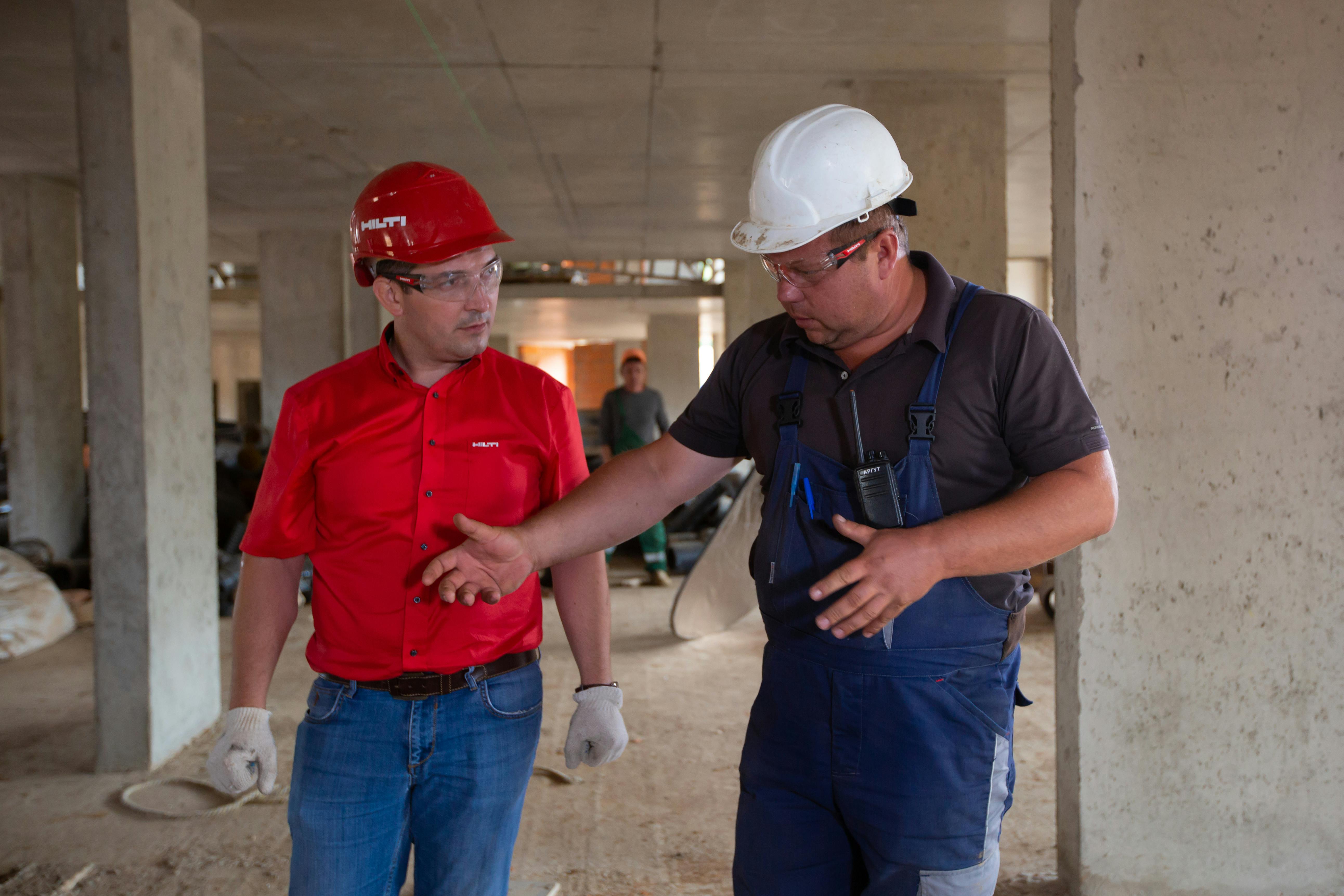
In the dynamic world of construction, project management stands as a pivotal pillar that dictates the success or failure of a project. Mastering construction project management requires a blend of technical knowledge, strategic planning, and effective communication. As projects become increasingly complex, the demand for proficient project management escalates, making it an indispensable component of the construction industry. This article delves into key strategies to excel in construction project management, offering insights into the techniques that streamline operations, mitigate risks, and ensure timely delivery.
Understanding the Core Principles of Construction Project Management
Construction project management is a multifaceted discipline that encompasses planning, coordination, and execution of a construction project from inception to completion. The primary goal is to deliver a project that meets the client’s requirements within the specified budget and timeline. Key principles include:
- Clear Objective Setting: Establishing clear, actionable objectives that align with the client’s vision and the project’s scope.
- Resource Management: Efficient allocation and utilization of resources to optimize productivity and minimize waste.
- Risk Assessment: Identifying potential risks early and developing strategies to mitigate them.
- Communication: Maintaining open lines of communication among stakeholders to ensure transparency and resolve conflicts promptly.
Effective Planning and Scheduling
Planning and scheduling are critical elements in construction project management. A well-structured plan sets the foundation for successful execution. Key aspects include:
- Work Breakdown Structure (WBS): Dividing the project into smaller, manageable tasks to ensure a comprehensive overview of the project’s requirements.
- Critical Path Method (CPM): Identifying the sequence of crucial steps that determine the project’s duration, allowing managers to prioritize tasks effectively.
- Gantt Charts: Visualizing the project timeline to track progress and ensure adherence to the schedule.
For more detailed insights on planning and scheduling, explore various resources that provide guidance on effective construction project management.
Cost Management and Budgeting
Cost management is a vital component of construction project management. It involves estimating, allocating, and controlling the costs to ensure the project remains within budget. Essential strategies include:
- Accurate Estimation: Leveraging historical data and industry benchmarks to project costs accurately.
- Budget Allocation: Distributing funds effectively across different phases of the project to avoid overspending.
- Cost Monitoring: Regularly reviewing expenses to identify discrepancies and make necessary adjustments.
Quality Control and Assurance
Maintaining high-quality standards is integral to the success of any construction project. Quality control and assurance involve:
- Standards Compliance: Adhering to industry standards and regulations to ensure the project’s integrity.
- Regular Inspections: Conducting frequent inspections to identify defects and implement corrective actions.
- Feedback Loops: Utilizing feedback from stakeholders to drive continuous improvement.
Conclusion: Continuous Improvement and Adaptation
In the ever-evolving landscape of construction, mastering project management is a continuous journey. It requires staying abreast of the latest trends, technologies, and methodologies. Emphasizing continuous improvement and adaptation is crucial to achieving long-term success. By implementing these key strategies, construction professionals can enhance their efficiency, reduce risks, and deliver projects that meet or exceed client expectations.
About the Author