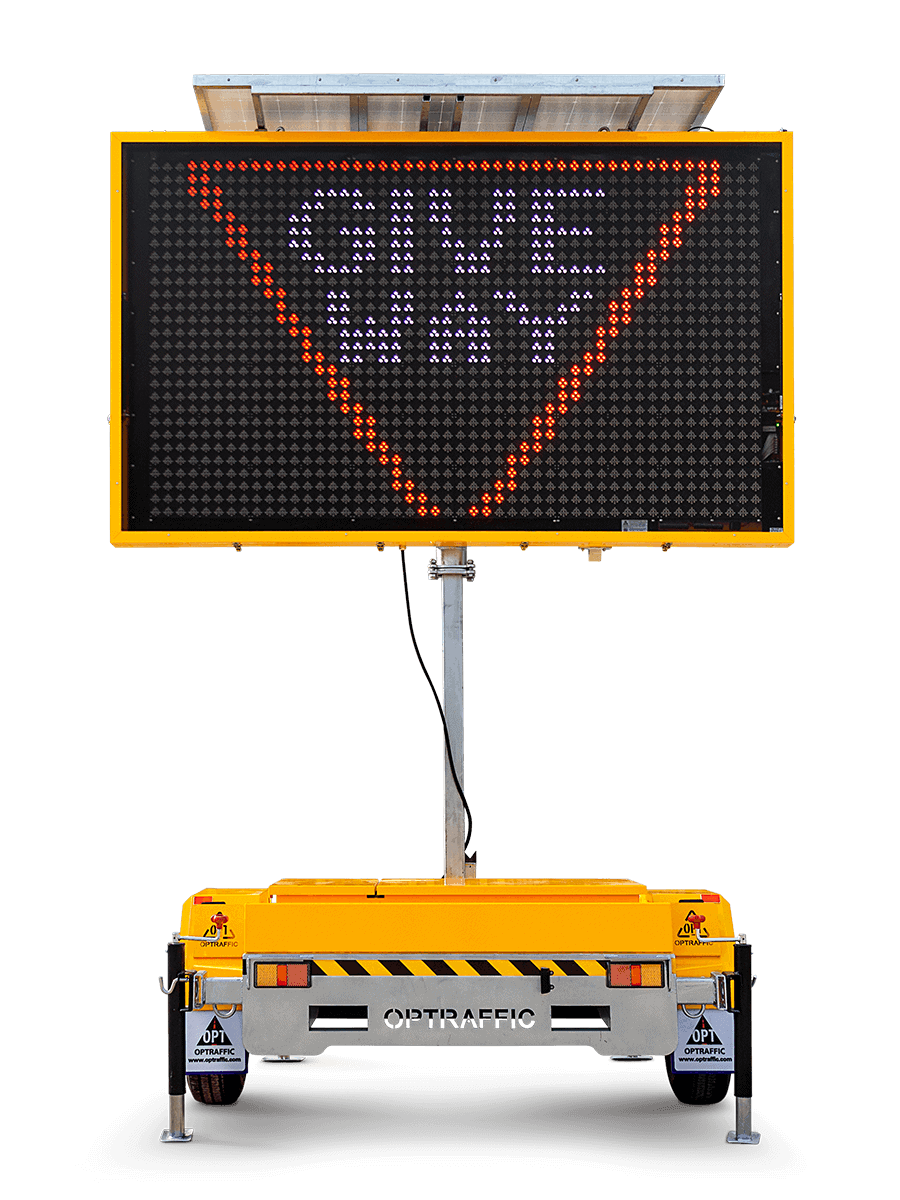
Navigating complex environments such as airports, hospitals, shopping centers, and urban spaces can be challenging without effective wayfinding signage. These signs serve as silent guides, helping individuals find their way with ease and confidence. Designing successful wayfinding signage requires careful consideration of several key elements to ensure clarity, accessibility, and aesthetic appeal. This article explores these crucial components and offers insights into how they can be effectively implemented.
Clarity and Simplicity
One of the most fundamental aspects of successful wayfinding signage is clarity. Signs must convey information in a straightforward and easily understandable manner. This can be achieved by:
- Using simple language and universally recognized symbols.
- Ensuring text and symbols are large enough to be read from a distance.
- Maintaining a high contrast between text and background for readability.
For more details on creating clear and simple signs, find additional information here.
Consistency in Design
Consistency across all wayfinding signage is essential to create a coherent navigation system. This includes:
- Uniform typography and color schemes throughout the signage.
- Consistent placement and orientation of signs.
- Standardized symbols and terminology.
Consistent design reduces confusion and reinforces the identity of the environment. Explore further insights here on maintaining design consistency.
Accessibility for All Users
Accessibility is a critical consideration in wayfinding signage to ensure it is usable by everyone, including those with disabilities. Key elements include:
- Incorporating Braille and tactile elements for the visually impaired.
- Ensuring sign placement is at appropriate heights for wheelchair users.
- Using auditory signals where applicable.
Learn more in this detailed guide about designing accessible wayfinding systems.
Strategic Placement
The effectiveness of wayfinding signage is largely determined by its placement. Signs should be strategically located at decision points where users need guidance. Considerations include:
- Placing signs at eye level and in well-lit areas.
- Positioning signs at key junctures such as intersections and entrances.
- Ensuring visibility from multiple approaches.
Read more about this topic to understand the importance of strategic sign placement.
Integration with Technology
Modern wayfinding systems often integrate with technology to enhance user experience. This can include:
- QR codes that provide additional information or directions.
- Interactive digital displays that offer real-time updates.
- Mobile applications that complement physical signage.
Technology integration can provide dynamic and personalized navigation solutions. Explore further insights here to learn about incorporating technology in wayfinding.
In conclusion, successful wayfinding signage combines clarity, consistency, accessibility, strategic placement, and technological integration to guide users effectively through complex environments. By focusing on these key elements, environments can become more navigable and user-friendly. For more comprehensive strategies and examples, find additional information here.
About the Author