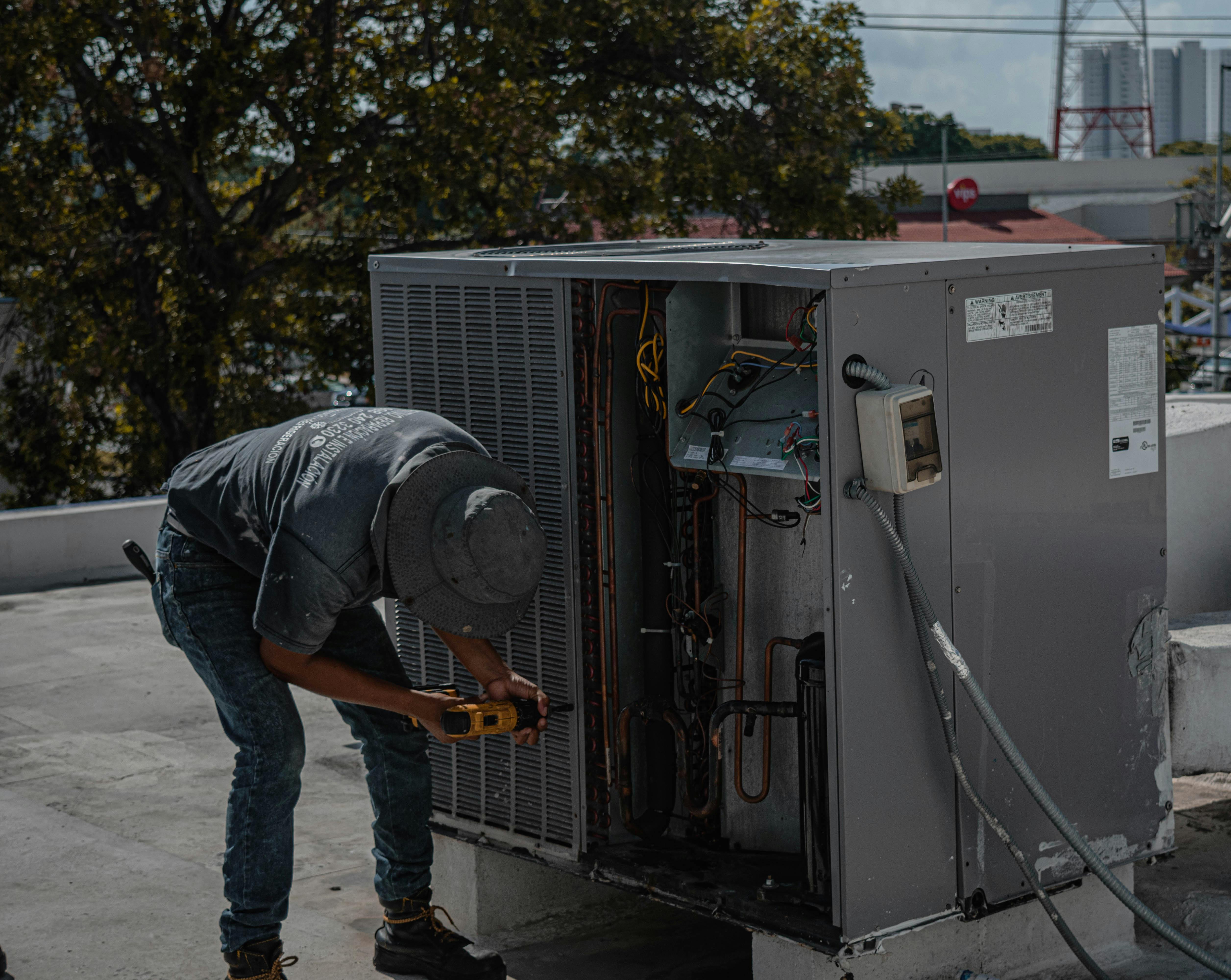
As temperatures begin to drop, the importance of a properly functioning heating system becomes increasingly apparent. Regular maintenance of your heating system not only ensures optimal performance during the colder months but also extends its lifespan, improves energy efficiency, and safeguards your home against potential hazards. This guide outlines essential maintenance tips to keep your heating system in top condition, ensuring comfort and safety for you and your family.
Routine Inspection and Cleaning
Regular inspection and cleaning are fundamental tasks that can prevent many common heating system issues. By performing a thorough check-up, potential problems can be identified and addressed before they escalate. Some key steps include:
- Inspecting the thermostat for accurate temperature control.
- Checking air filters monthly and replacing them if they are dirty to ensure efficient airflow.
- Cleaning the blower assembly, belts, and pulleys to prevent build-up that can reduce efficiency.
- Ensuring vents and registers throughout the home are unobstructed and clean.
For a more detailed checklist and expert strategies, discover expert strategies here.
Annual Professional Maintenance
While routine checks can be performed at home, annual professional maintenance is highly recommended. Professional technicians have the expertise and tools to perform a more comprehensive assessment and calibration of your heating system. During a professional maintenance visit, technicians will:
- Inspect and clean the furnace burner and heat exchanger for safe operation.
- Test and adjust gas pressure and pilot operation.
- Ensure all electrical connections are tight and safe.
- Check for signs of wear and tear that could lead to future malfunctions.
Learn about our tailored solutions for professional maintenance by visiting Learn about our tailored solutions.
Energy Efficiency Optimization
Optimizing energy efficiency not only reduces utility bills but also minimizes environmental impact. Here are some tips to improve heating system efficiency:
- Install a programmable thermostat to automatically adjust temperature settings based on your schedule.
- Seal leaks in ductwork to prevent heat loss.
- Ensure proper insulation in your home to maintain heat.
- Consider upgrading to a high-efficiency heating system if your current one is outdated.
To explore advanced guides and tips on improving energy efficiency, explore advanced guides and tips.
Troubleshooting Common Issues
Even with regular maintenance, heating systems can experience issues. Being aware of common problems and their solutions can help you address them promptly:
- No Heat: Check the thermostat settings and ensure the system is receiving power.
- Uneven Heating: Verify that all vents are open and unobstructed, and check the ductwork for leaks.
- Strange Noises: Listen for unusual sounds, which may indicate loose components or debris in the system.
- Frequent Cycling: Inspect the air filter and thermostat settings, as these could cause the system to turn on and off frequently.
Find out more about this approach to troubleshooting by visiting Find out more about this approach.
Conclusion
Proper heating system maintenance is crucial for ensuring comfort and safety during the colder months. By following the outlined maintenance guide, homeowners can enhance system efficiency, reduce energy costs, and minimize the risk of unexpected breakdowns. For further guidance and professional services, it’s best to consult with experts who can provide tailored solutions and insights into keeping your heating system in optimal condition.
About the Author