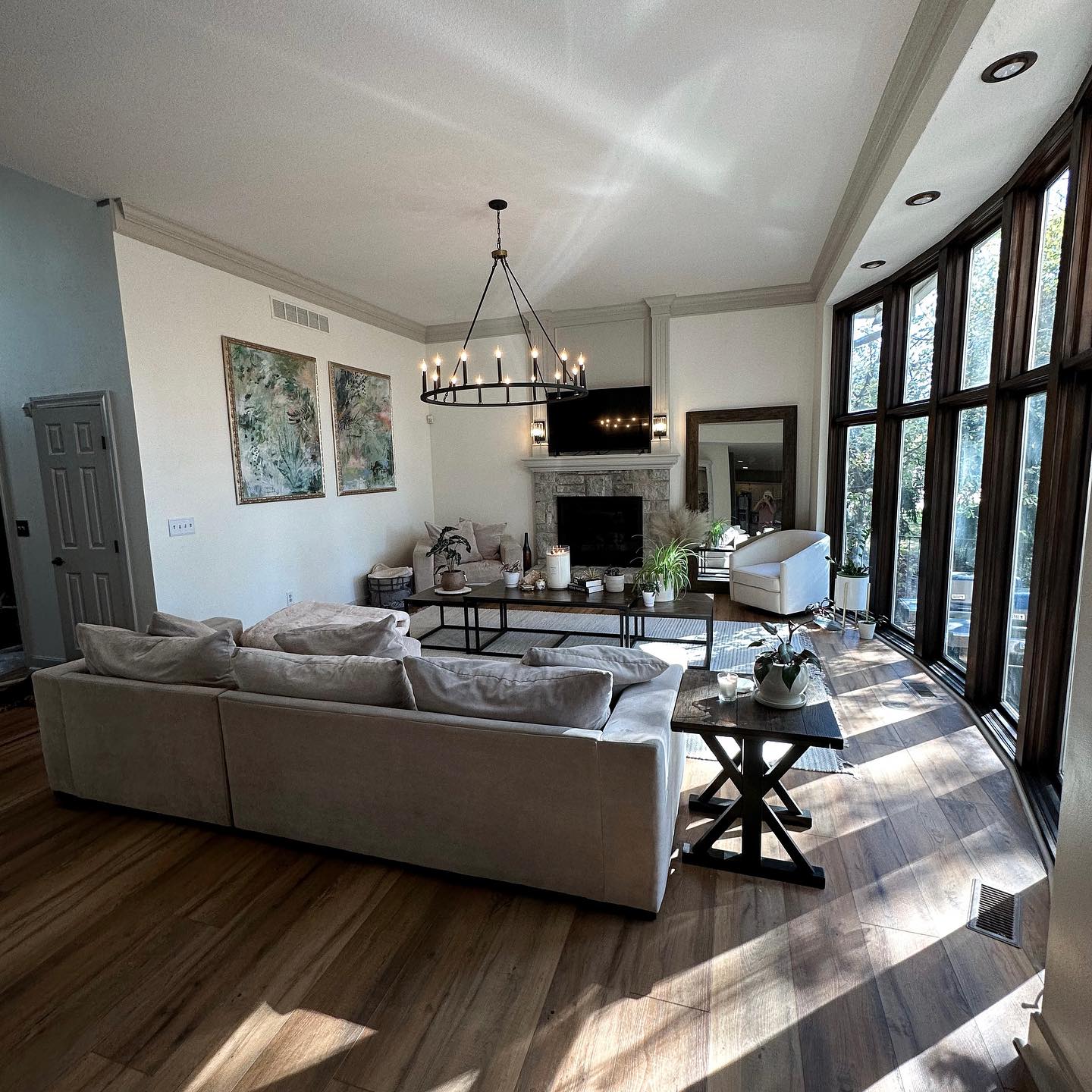
Mold growth in residential areas is a common issue that can lead to severe health problems and property damage if not addressed promptly and efficiently. It thrives in damp, humid environments, often going unnoticed until it becomes a significant problem. Mold removal is not only about cleaning visible patches; it involves identifying the source and implementing long-term solutions to prevent recurrence. Understanding effective mold remediation strategies is crucial for homeowners seeking to maintain a healthy living environment.
Identifying Mold in Residential Properties
The first step in mold removal is accurate identification. Mold can take on various appearances, from black patches to fuzzy white growths. It is essential to recognize the signs of mold presence:
- Musty odors in specific areas of the home.
- Visible discoloration on walls, ceilings, or floors.
- Increased allergy symptoms such as sneezing or coughing when indoors.
Early detection can significantly reduce the severity and cost of mold removal. Discover expert strategies here for identifying mold effectively.
Effective Mold Removal Strategies
Once mold is identified, the next step is removal. Here are some proven strategies for effective mold remediation:
1. Containment
Containing the affected area is crucial to prevent mold spores from spreading throughout the home. Techniques include:
- Using plastic sheeting to seal off the contaminated area.
- Ensuring all HVAC systems are turned off to avoid circulation of spores.
- Employing negative air pressure machines to contain spores.
Explore advanced guides and tips on effective containment measures.
2. Removal and Cleaning
Once the area is contained, the removal process can begin. This involves:
- Removing and disposing of heavily contaminated materials.
- Cleaning and disinfecting surfaces with specialized solutions.
- Using HEPA vacuuming to capture remaining spores.
Proper cleaning ensures that mold does not return. Learn about our tailored solutions for efficient mold removal.
3. Repair and Restoration
After removal, repairing and restoring the affected area is essential. This may include:
- Fixing any leaks or water damage that contributed to mold growth.
- Replacing damaged drywall, insulation, or flooring.
- Applying mold-resistant paints and materials.
Restoration ensures the area is safe and aesthetically pleasing, reducing the chance of future mold problems. Find out more about this approach to ensure comprehensive restoration.
Preventing Mold Recurrence
Prevention is the best strategy to avoid future mold issues. Consider these preventive measures:
- Maintaining low indoor humidity levels (ideally below 50%).
- Ensuring proper ventilation in bathrooms, kitchens, and laundry areas.
- Regularly inspecting and maintaining plumbing systems to prevent leaks.
Implementing these measures can significantly reduce the risk of mold returning. Explore advanced guides and tips on mold prevention techniques.
About the Author