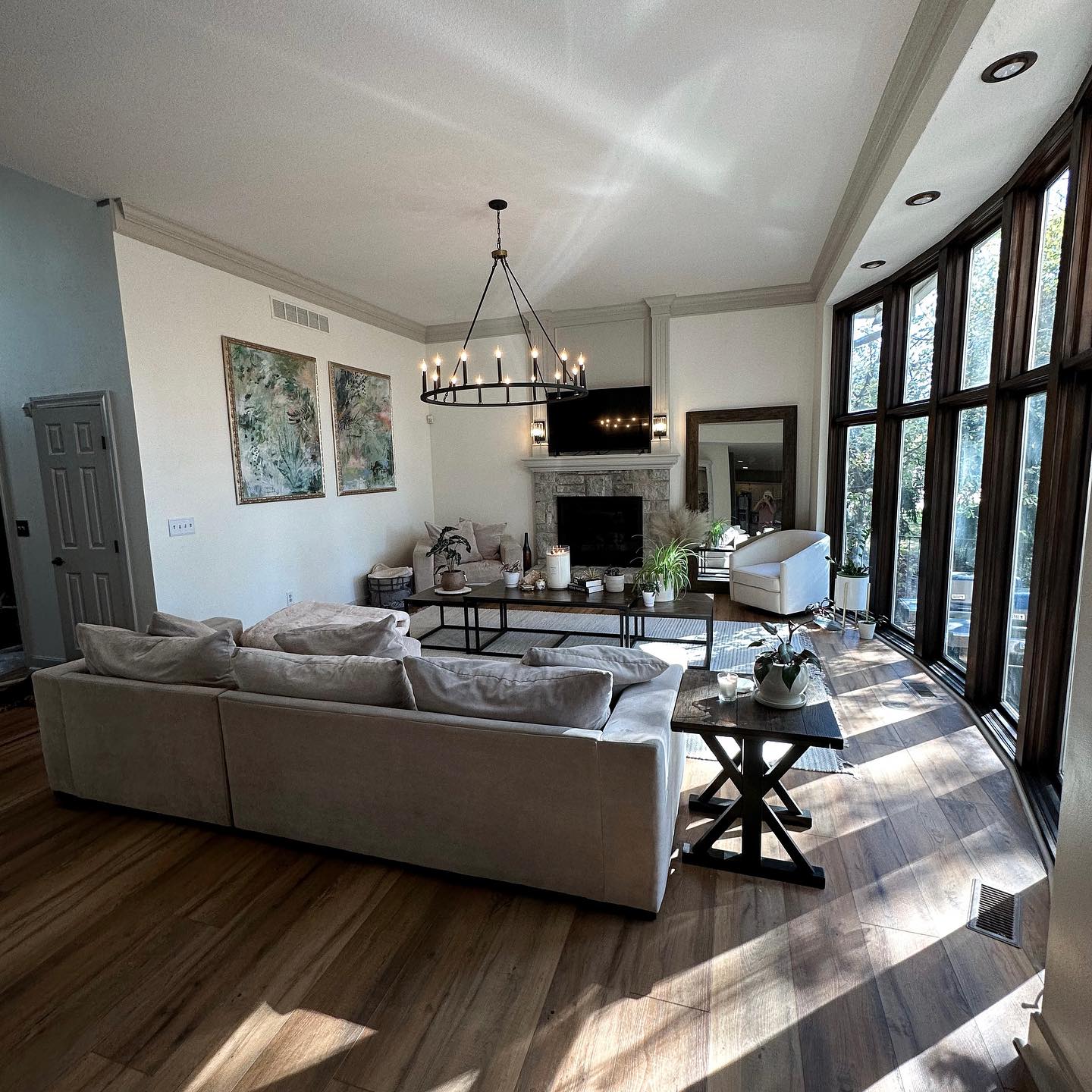
In an era where technology seamlessly integrates into daily life, smart house lighting control systems are at the forefront of modern home innovations. These systems offer a convenient and energy-efficient way to manage home lighting, enhancing both functionality and ambiance. By allowing users to easily control lighting settings via smartphones or voice commands, these systems cater to a range of preferences and needs, from simple on/off controls to complex scene settings that match specific activities or moods. As a result, smart lighting not only enhances the living experience but also contributes to a sustainable lifestyle.
Benefits of a Smart House Lighting Control System
The adoption of a smart house lighting control system brings numerous benefits, making it an essential feature in modern homes. Here are some key advantages:
- Convenience: Effortlessly control lighting with remote access via mobile devices or voice assistants.
- Energy Efficiency: Optimize energy use by scheduling lights to turn on/off automatically, reducing unnecessary consumption.
- Security: Enhance home security by programming lights to simulate occupancy when away.
- Customization: Create personalized lighting scenes to suit different moods, occasions, or activities.
- Cost Savings: Reduce electricity bills through efficient energy management and smart scheduling.
Implementing Smart Lighting in Residential Spaces
The process of integrating smart lighting into a home involves several key steps, ensuring a smooth transition and optimal functionality. Engaging with residential lighting contractors can provide the expertise needed for a successful installation.
Assessment and Planning
Begin by evaluating the lighting needs of each space within the home. Consider areas that would benefit from enhanced control, such as living rooms, kitchens, and outdoor spaces. Professional residential lighting solutions can assist in creating a comprehensive plan tailored to specific requirements.
Choosing the Right System
Selection of the appropriate smart lighting system is crucial. Factors to consider include compatibility with existing home automation platforms and the range of features offered. Consulting with a trusted residential lighting supplier can provide valuable insights into the latest advancements and product options.
Installation and Configuration
Professional residential lighting installation ensures that the system is set up correctly, minimizing potential issues and maximizing performance. This phase involves configuring the system to align with the planned lighting scenes and schedules.
Future Trends in Smart Lighting
As technology continues to evolve, the future of smart lighting promises even greater advancements. Emerging trends include:
- Integration with IoT: Enhanced connectivity with other smart home devices for a more unified experience.
- Adaptive Lighting: Systems that automatically adjust brightness and color based on the time of day or user preferences.
- Sustainability: Increased use of eco-friendly materials and energy-efficient technologies.
- Voice and Gesture Control: Advanced control options that provide more intuitive user interactions.
By embracing these trends, homeowners can further enhance the efficiency and user-friendliness of their smart lighting systems, solidifying their role in the modern home.
About the Author