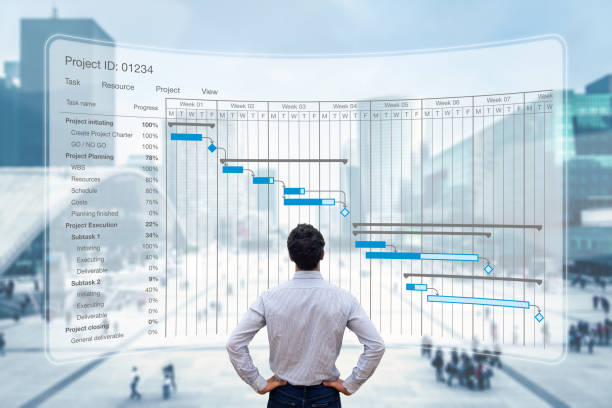
In the fast-paced world of construction, project management is a critical aspect that can determine the success of a project. With the advent of digital technologies, the industry has witnessed a transformation, providing new solutions to age-old problems. A significant advancement in this domain is the use of cutting-edge management software designed specifically for construction projects. This revolutionary change is helping industry professionals streamline operations, enhance productivity, and ensure projects are delivered on time and within budget.
The Impact of Advanced Construction Management Software
Construction management software has become a cornerstone for modern project execution. The software solutions available today offer a comprehensive suite of tools that are transforming how projects are managed. These platforms provide functionalities that cater to every aspect of a project, from planning and execution to monitoring and reporting.
- Centralized Data Management: Modern software solutions enable centralized data storage, ensuring that all project information is accessible in one place. This minimizes the risk of data loss and enhances collaboration among team members.
- Real-Time Collaboration: Teams can collaborate in real-time, regardless of their location. This feature is crucial for maintaining seamless communication and ensuring that all stakeholders are aligned on project progress.
- Cost and Resource Management: With the ability to track expenses and resources closely, construction management software helps prevent cost overruns and resource wastage, thus maximizing profitability.
- Risk Mitigation: Predictive analytics and risk management tools allow project managers to foresee potential issues and implement proactive measures to mitigate them.
Choosing the Right Software for Your Needs
Selecting an appropriate construction project management software can be daunting, given the myriad options available. However, focusing on specific features can streamline the decision-making process.
User-Friendly Interface
A user-friendly interface is essential to ensure that all team members, irrespective of their technical proficiency, can effectively use the software. A cumbersome interface can lead to inefficiencies and user frustration.
Integration Capabilities
The ability to integrate with existing systems and tools is another critical factor. Seamless integration reduces transition challenges and ensures that all project-related data flows smoothly across platforms.
Scalability and Customization
As projects and businesses grow, the software should be able to scale accordingly. Customization options allow businesses to tailor the software to their unique processes and requirements.
Key Benefits of Implementing Construction Management Software
Implementing advanced construction project management software offers numerous benefits that significantly impact project outcomes and business operations.
- Improved Efficiency: Automating repetitive tasks and streamlining workflows enhance operational efficiency, allowing teams to focus on high-value activities.
- Enhanced Decision-Making: Access to real-time data and analytics aids in informed decision-making, which is crucial for project success.
- Increased Accountability: By providing clear visibility into project activities, the software ensures that all team members are accountable for their roles and responsibilities.
- Competitive Advantage: Adopting cutting-edge technology positions businesses ahead of competitors, offering a significant edge in the market.
Conclusion
In the ever-evolving construction industry, staying ahead requires embracing innovation and leveraging technology to its fullest potential. Advanced construction management software is not just a tool but a strategic asset that can revolutionize how projects are managed and executed. By implementing the right software, construction firms can ensure that they maintain efficiency, profitability, and a competitive advantage in a challenging industry landscape.
About the Author