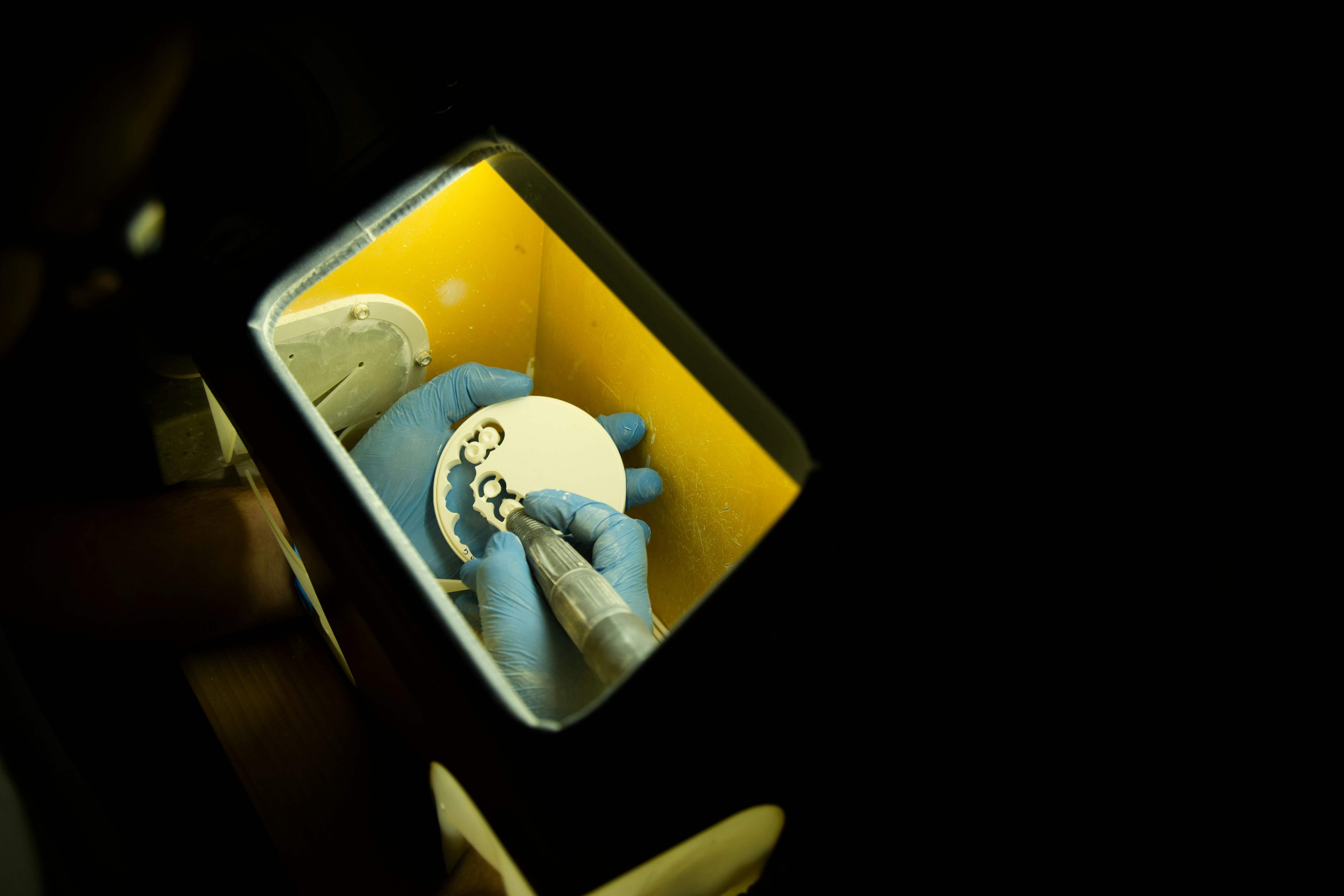
Dental implants have become an increasingly popular solution for individuals seeking to replace missing teeth. They offer a permanent, durable alternative that mimics the look and function of natural teeth. However, the success of dental implants largely depends on the quality of care provided by the specialists involved. It is crucial for patients to seek out certified specialists who possess the necessary expertise and experience. This article will examine the factors that contribute to quality implant care and highlight why choosing certified specialists is essential for achieving optimal outcomes.
Understanding Dental Implants
Dental implants are titanium posts surgically placed into the jawbone beneath the gum line. They serve as a robust foundation for artificial teeth, such as crowns, bridges, or dentures. The process of getting dental implants typically involves several stages:
- Initial Consultation: A thorough examination and discussion of the patient’s medical history and dental needs.
- Surgical Procedure: Placement of the titanium post into the jawbone.
- Osseointegration: The healing process where the bone grows around the implant, securing it in place.
- Abutment and Restoration: Placement of an abutment followed by the attachment of the artificial tooth.
Each stage requires precision and expertise, underscoring the importance of choosing a certified specialist.
Why Choose Certified Specialists?
Certified specialists in dental implantology have undergone extensive education and training, equipping them with the skills necessary to perform complex procedures. Here are several reasons why selecting a certified specialist is crucial:
- Advanced Training: Specialists receive in-depth training in oral surgery and restorative procedures, ensuring they are well-versed in the latest techniques and technologies.
- Experience and Expertise: Certified specialists have a wealth of experience dealing with diverse cases, making them adept at handling complications that may arise.
- Personalized Care: They provide tailored treatment plans that cater to the unique needs of each patient, enhancing the overall success rate of the implants.
- Comprehensive Follow-up: Proper follow-up care is essential for monitoring the healing process and maintaining the longevity of the implants.
Choosing certified specialists can significantly impact the outcome of dental implant procedures. Read more about this topic to understand how certification influences the quality of care provided.
Key Considerations for Patients
When considering dental implants, patients should keep several factors in mind to ensure they receive the highest quality care:
Research and Referrals
Conduct thorough research to identify potential specialists. Asking for recommendations from trusted healthcare providers or friends who have undergone similar procedures can be invaluable. Learn more in this detailed guide about finding the right specialist.
Credentials and Certifications
Verify the credentials and certifications of the specialists. Membership in professional organizations and a history of continued education indicate a commitment to staying updated on the latest advancements. Explore further insights here about the importance of certifications.
Technology and Techniques
Inquire about the technology and techniques used by the specialist. Advanced imaging technology and minimally invasive techniques can enhance the precision and comfort of the procedure.
Communication and Comfort
Effective communication is vital for patient comfort and confidence. Ensure that the specialist is approachable and willing to address any concerns or questions you may have. Find additional information here about creating a comfortable experience with your specialist.
In conclusion, the decision to undergo dental implant surgery is significant and should not be taken lightly. Patients are encouraged to seek out certified specialists who can provide quality care tailored to their specific needs. By doing so, they can increase the likelihood of achieving successful, long-lasting results from their dental implants.
About the Author