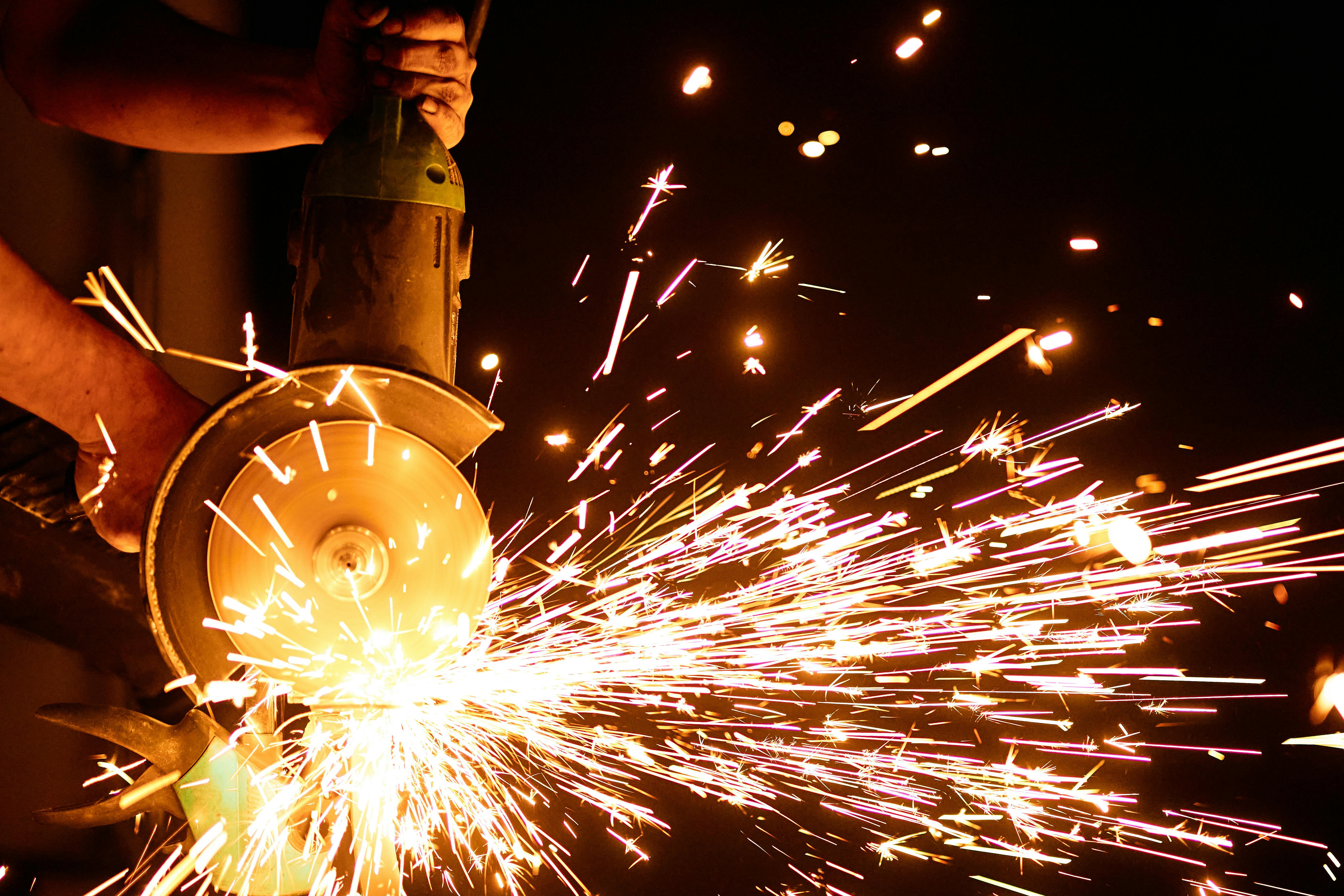
The meticulous process of metal grinding is critical in various industries, ensuring precision and quality in the manufacturing of metal products. Central to this process are grinding wheels, essential tools that come in a variety of types and specifications. Understanding the differences between these tools can greatly enhance the efficiency and quality of metalworking projects. This article delves into the essential types of grinding wheels, providing insights into their specific applications and benefits.
Types of Grinding Wheels
1. Straight Grinding Wheels
Straight grinding wheels are the most common type, used primarily in the surface grinding process. These wheels are designed for surface finishing and precision grinding of materials.
- Optimized for flat surfaces.
- Used in cylindrical, centerless, and surface grinding.
- Available in different sizes and specifications.
2. Cylindrical Grinding Wheels
Cylindrical grinding wheels are essential for grinding the external diameter of objects. They are highly efficient in producing smooth, precise finishes.
- Ideal for precision work on rounded surfaces.
- Commonly used in automotive and aerospace industries.
- Ensures high dimensional accuracy.
3. Tapered Grinding Wheels
These wheels are characterized by their tapered sides, which allow for grinding in smaller areas. Their design is perfect for more detailed work.
- Best for grinding threads and gear teeth.
- Used in grinding operations that require a finer finish.
- Available in various grit sizes for different applications.
4. Diamond Grinding Wheels
Diamond grinding wheels are known for their exceptional hardness and sharpness, making them perfect for cutting and grinding hard materials like carbide.
- Deliver superior cutting performance.
- Long-lasting and wear-resistant.
- Commonly used in tool and die making.
Choosing the Right Grinding Wheel
The selection of a grinding wheel is pivotal to achieving optimal results in metalworking. Factors to consider include:
- Material Type: The hardness and composition of the material being worked on will determine the type of wheel required.
- Surface Finish: Different wheels offer varying levels of finish, from rough to highly polished surfaces.
- Speed and Efficiency: Some wheels are designed for faster cutting speeds, which can enhance productivity in high-volume operations.
- Wheel Specification: Understanding the grit size, bond type, and wheel grade is crucial for selecting the right wheel.
For detailed advice on selecting the right wheel, discover expert strategies here.
Maintaining Grinding Wheels
Proper maintenance of grinding wheels is essential to prolong their lifespan and ensure safety. Regular checks and routine maintenance are key practices.
- Inspection: Regularly inspect wheels for cracks or damage.
- Cleaning: Remove dust and debris after each use to prevent clogging.
- Dressing: Use a wheel dresser to maintain the wheel’s shape and efficiency.
Learn about tailored solutions to optimize grinding wheel maintenance and usage.
Conclusion
Grinding wheels are indispensable in the realm of metalworking, providing the precision and quality needed for a variety of applications. Understanding the types and proper usage of these wheels is fundamental for any professional in the industry. With the right knowledge and tools, professionals can enhance their craftsmanship and achieve superior results. Explore advanced guides and tips to further refine your metal grinding techniques and tool selection.
About the Author