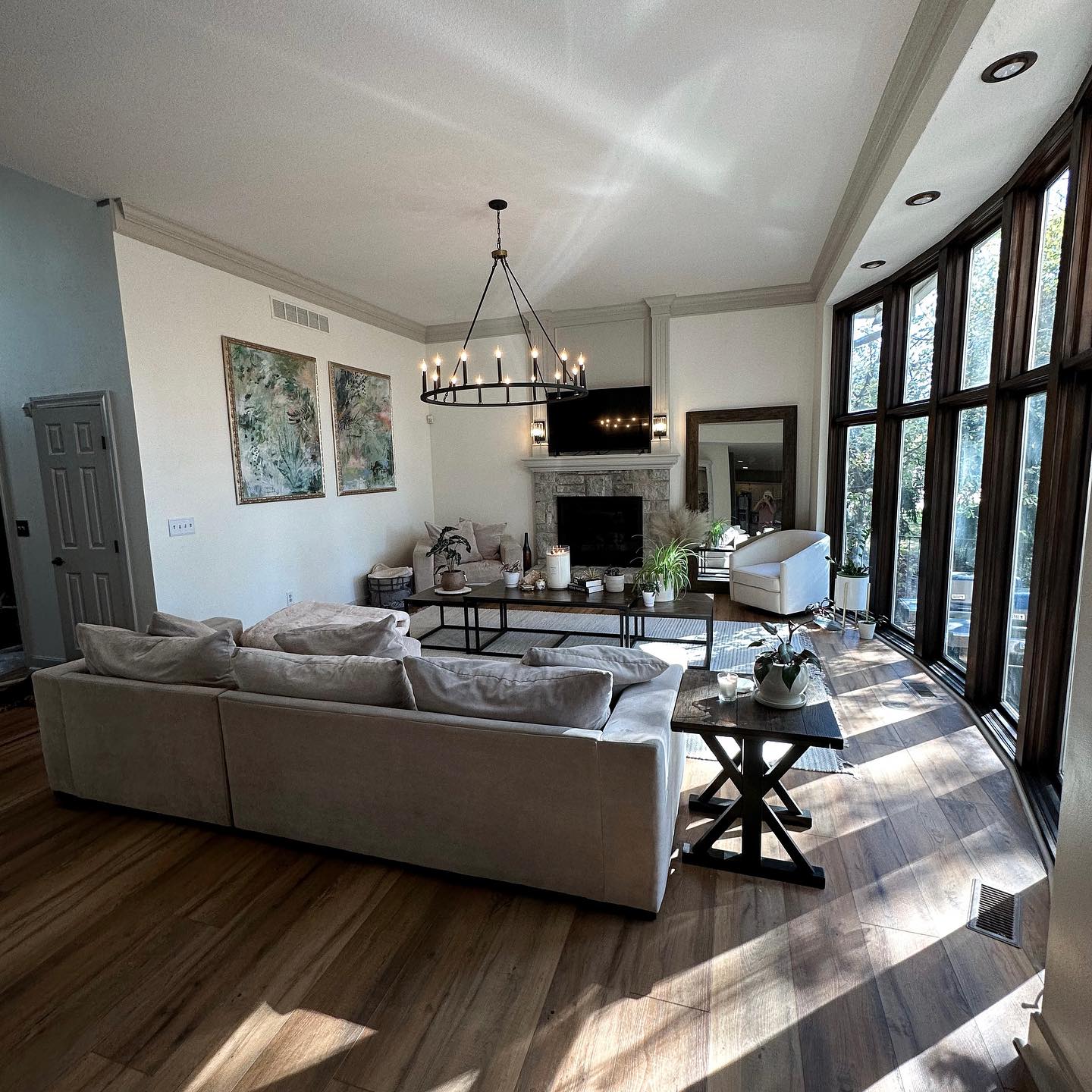
In the world of commercial spaces, countertops are not just functional elements; they are central to the aesthetic and operational dynamics of a business environment. Whether in a bustling restaurant kitchen, a sleek office break room, or a high-traffic retail checkout area, the choice of countertop material can significantly impact the durability and functionality of the workspace. Selecting the right commercial countertop involves balancing aesthetic appeal with practical considerations such as durability, maintenance, and cost-effectiveness. This article explores key factors in choosing and maximizing the functionality of durable commercial countertops, providing insights into materials, designs, and strategic approaches.
Understanding Material Options
The first step in selecting a countertop involves understanding the available material options. Each material offers distinct advantages and may be better suited to specific environments. Here are some popular choices:
- Granite: Known for its strength and natural beauty, granite is a classic choice that offers excellent durability and heat resistance.
- Quartz: This engineered stone provides a non-porous surface, making it resistant to stains and ideal for hygiene-sensitive areas.
- Stainless Steel: Offering a modern look and excellent resistance to heat and bacteria, stainless steel is perfect for commercial kitchens.
- Laminate: A cost-effective option that offers a wide range of colors and patterns, though it may not provide the same longevity as natural stone.
- Concrete: Customizable and durable, concrete countertops can be tailored with various finishes and colors.
For more detailed insights into choosing the right material, discover expert strategies here.
Designing for Functionality
Integrating Practical Features
Beyond material choice, the design of a countertop can enhance its functionality. Consider the following aspects when designing a commercial countertop:
- Edge Profiles: Rounded edges can prevent injuries in high-traffic areas, while square edges offer a modern look.
- Built-in Features: Incorporating sinks or cutouts for appliances can streamline operations and improve efficiency.
- Space Optimization: Designing with the flow of movement in mind can enhance productivity and safety.
Learn about tailored solutions to incorporate these features effectively into your workspace.
Maintenance and Longevity
Ensuring the longevity of a commercial countertop is crucial to maximizing its functionality. Here are some maintenance tips:
- Regular Cleaning: Use appropriate cleaning agents to maintain hygiene and appearance without damaging the surface.
- Sealant Application: For porous materials like granite, regular sealant application helps prevent stains and damage.
- Immediate Repair: Address chips and cracks quickly to avoid further damage and maintain a professional appearance.
Explore advanced guides and tips for maintaining different countertop materials.
Cost Considerations
Balancing cost with quality is essential when selecting commercial countertops. Factors influencing cost include:
- Material: Natural stones like granite tend to be more expensive than laminate or engineered options.
- Installation: Professional installation can ensure durability and proper fit, impacting the overall cost.
- Customization: Special designs or custom features can increase costs but may enhance functionality.
Find out more about this approach to balance cost with quality effectively.
Choosing the right commercial countertop is a strategic decision that can enhance both the functionality and aesthetics of a workspace. By considering material options, design features, maintenance needs, and cost implications, businesses can make informed decisions that support their operational goals. For further guidance and expert advice, explore comprehensive resources and tailored solutions.
About the Author