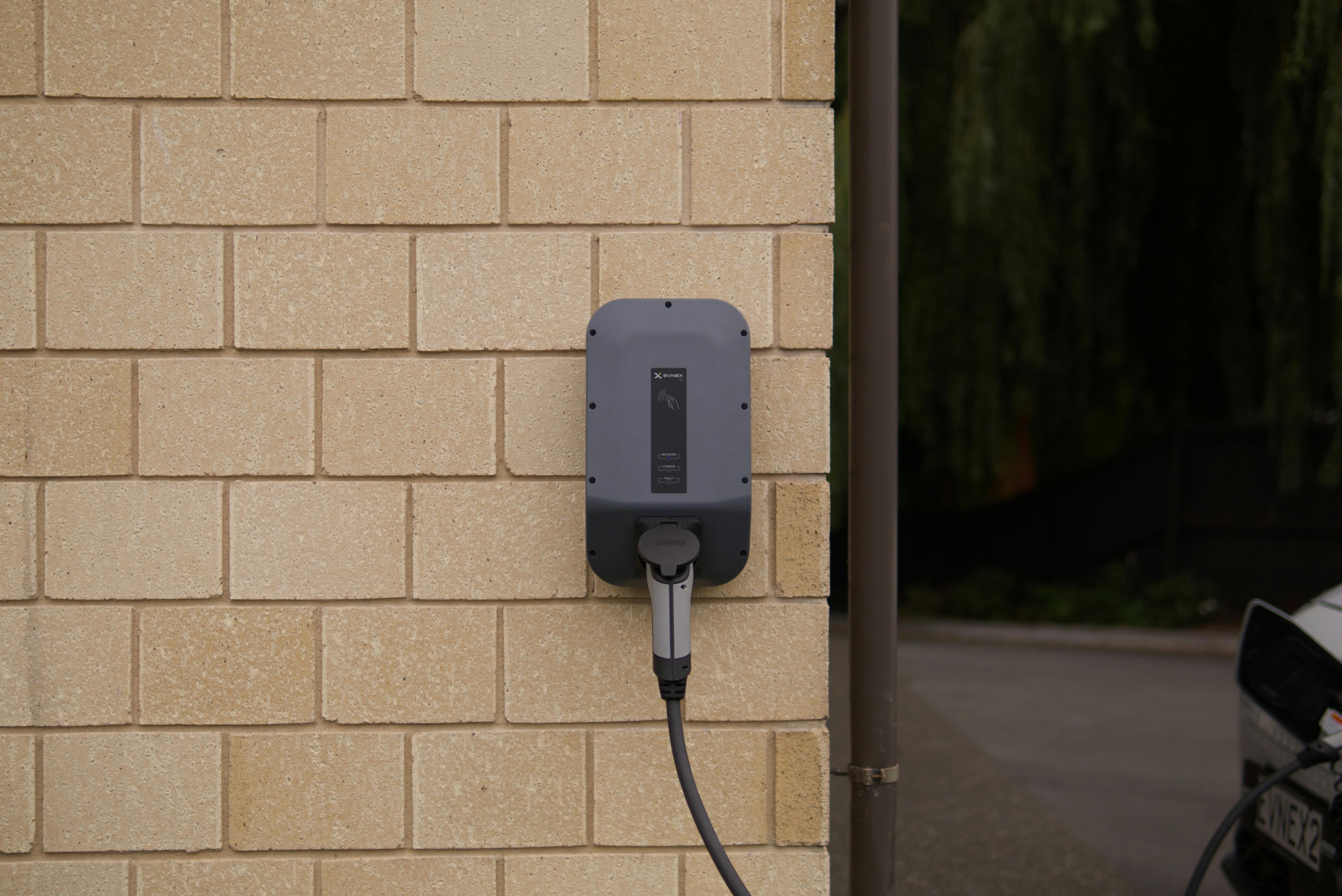
As electric vehicles (EVs) continue to gain popularity, the demand for reliable and efficient home charging solutions is increasing. Installing an EV charger at home not only adds convenience but can also enhance the overall driving experience. However, the installation process requires careful planning and professional expertise to ensure safety and functionality. This guide provides an in-depth look at the crucial considerations and steps involved in electric vehicle charger installation.
Understanding Your Charging Needs
Before embarking on the installation process, it’s essential to evaluate your specific charging needs. Various factors contribute to determining the most suitable charger for your home:
- Vehicle Requirements: Identify the charging capacity of your EV, as different models require varying power levels.
- Driving Habits: Consider your daily mileage and charging frequency to select an appropriate charger.
- Home Electrical System: Assess the capacity and condition of your home’s electrical system to support the new installation.
- Future-Proofing: Plan for potential upgrades by choosing a charger that can accommodate future EV models.
For more detailed insights, discover expert strategies here.
Types of EV Chargers
Electric vehicle chargers come in different types, each offering distinct advantages and specifications:
Level 1 Chargers
Level 1 chargers are the most basic, using a standard 120-volt outlet. They are typically included with the vehicle and are best suited for overnight charging due to their slow charging rate.
Level 2 Chargers
Level 2 chargers require a 240-volt outlet and provide faster charging capabilities. They are ideal for home use, offering a balance between installation cost and charging speed.
DC Fast Chargers
DC Fast Chargers are the quickest option, suitable for commercial use and long travels. They require specialized equipment and setup.
Learn about our tailored solutions for various charger types here.
Installation Process
Proper installation of an EV charger necessitates adherence to safety protocols and local regulations:
Site Assessment
A professional electrician should conduct a thorough site assessment to evaluate the electrical capacity and identify any potential obstacles.
Permits and Compliance
Obtain necessary permits and ensure the installation adheres to local codes and standards to avoid future legal complications.
Electrical Upgrades
If your home’s electrical system is inadequate, upgrades may be necessary to support the new charger safely.
Installation and Testing
The actual installation should be performed by a certified electrician, followed by comprehensive testing to ensure functionality and safety.
Explore advanced guides and tips for a successful installation here.
Maintenance and Safety Tips
Regular maintenance and adherence to safety practices are crucial to prolonging the life of your EV charger and ensuring its safe operation:
- Routine Inspections: Regularly inspect the charger for any signs of wear and tear.
- Professional Servicing: Schedule periodic servicing by a qualified technician to maintain optimal performance.
- Safe Usage Practices: Avoid using the charger in wet conditions and handle the equipment with care to prevent damage.
Find out more about this approach to maintenance here.
Conclusion
Installing an electric vehicle charger at home is a significant step towards embracing sustainable transportation. By understanding the various types of chargers, evaluating your needs, and ensuring professional installation, you can enjoy the convenience and efficiency of charging your EV at home. Whether you’re just beginning your journey with electric vehicles or looking to enhance your existing setup, professional guidance and expertise are invaluable in navigating the complexities of EV charger installation.
About the Author