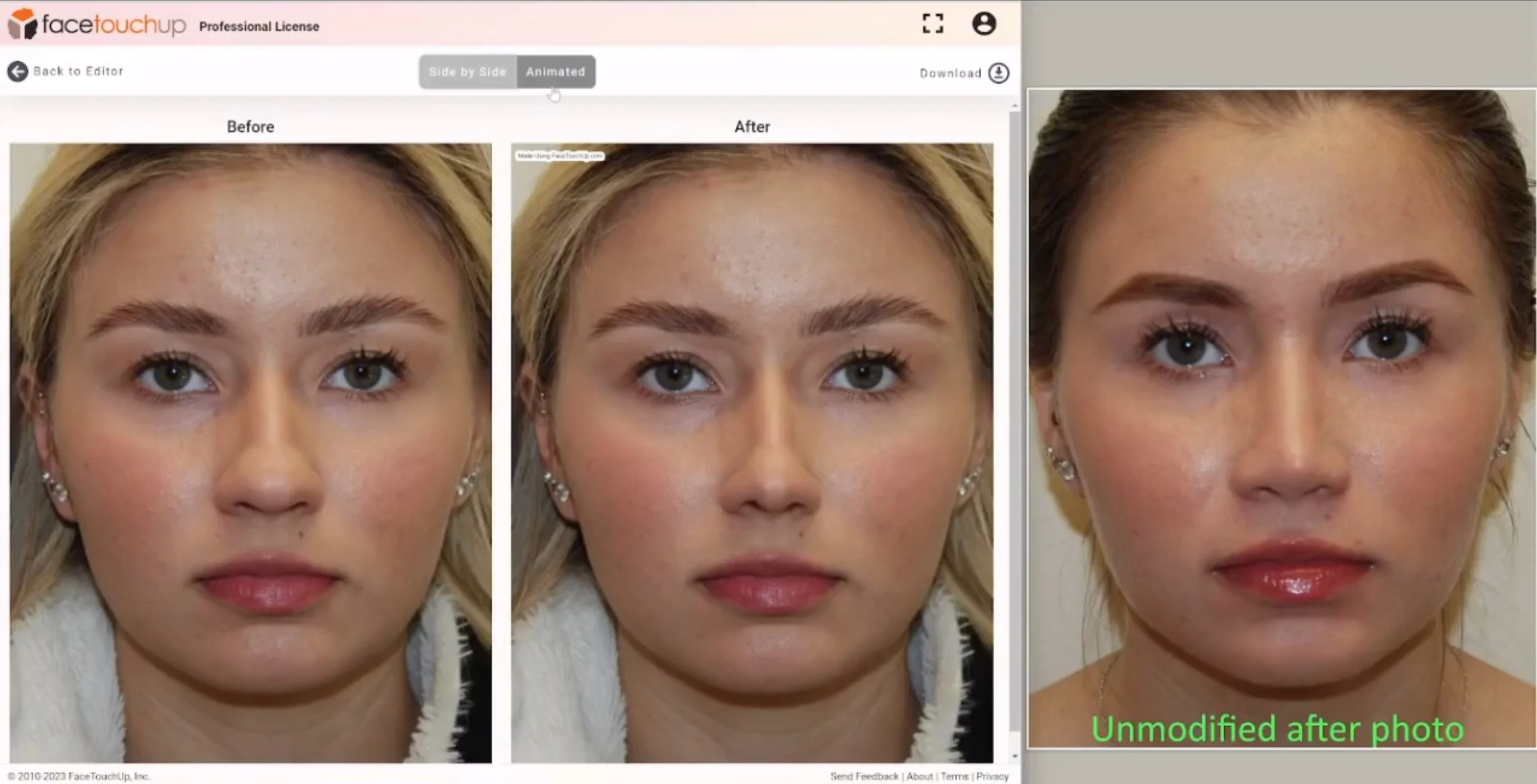
In the ever-evolving world of cosmetic and reconstructive surgery, technology plays a pivotal role in enhancing the precision, outcomes, and experiences for both surgeons and patients. One of the most groundbreaking advancements in this field is the use of full face plastic surgery simulation. This technology empowers surgeons to visualize potential outcomes using sophisticated software, providing patients with a glimpse into their post-surgery possibilities. The advent of such tools has not only improved patient satisfaction but has also elevated the standard of care in facial cosmetic procedures.
The Need for Facial Surgery Simulation
Facial surgery simulation addresses several critical needs in the domain of plastic surgery. It serves as a bridge between patient expectations and surgical realities, offering a visual representation of potential results.
- Enhances communication between surgeon and patient.
- Fosters informed decision-making with visual aids.
- Reduces anxiety by setting realistic expectations.
- Facilitates personalized treatment planning.
Key Features of Face Plastic Surgery Simulation Tools
Modern face plastic surgery software is equipped with a range of features designed to improve the accuracy and effectiveness of surgical planning:
- 3D Imaging: Provides a comprehensive view of facial structures for precise simulation.
- Customizable Parameters: Allows for adjustments in simulations to reflect various surgical techniques.
- Real-time Rendering: Offers immediate visualization of changes, enhancing interactive consultations.
- Data Storage: Maintains a record of simulations for future reference and comparative analysis.
Applications in Surgical Practice
Enhancing Surgeon Expertise
With the assistance of a face lift simulator for surgeons, professionals can refine their skills and approach each procedure with a tailored strategy. This software aids in pre-operative planning, ensuring that every aspect of the surgery is meticulously considered.
Patient Engagement and Satisfaction
Interactive tools, such as the face plastic surgery tool, empower patients by involving them in the planning process. By visualizing their potential post-operative appearance, patients can make more informed decisions and approach surgery with confidence.
Future Prospects of Facial Surgery Simulation
The future of facial surgery simulation is promising, with ongoing advancements expected to further revolutionize the field. Enhanced AI capabilities and machine learning are anticipated to deliver even more accurate simulations, while virtual reality integration could offer immersive visualization experiences.
Innovations such as the virtual face lift visualization and other virtual face transformation tools for surgeons are paving the way for unprecedented levels of precision and personalization in facial surgery.
Conclusion
Facial surgery simulation represents a significant leap forward in the field of cosmetic surgery. By bridging the gap between patient expectations and surgical outcomes, these tools not only enhance the surgical experience but also elevate the standard of care. As technology continues to evolve, the possibilities for full face plastic surgery are limitless, promising a future where personalized, precise, and patient-centered care is the norm.
About the Author