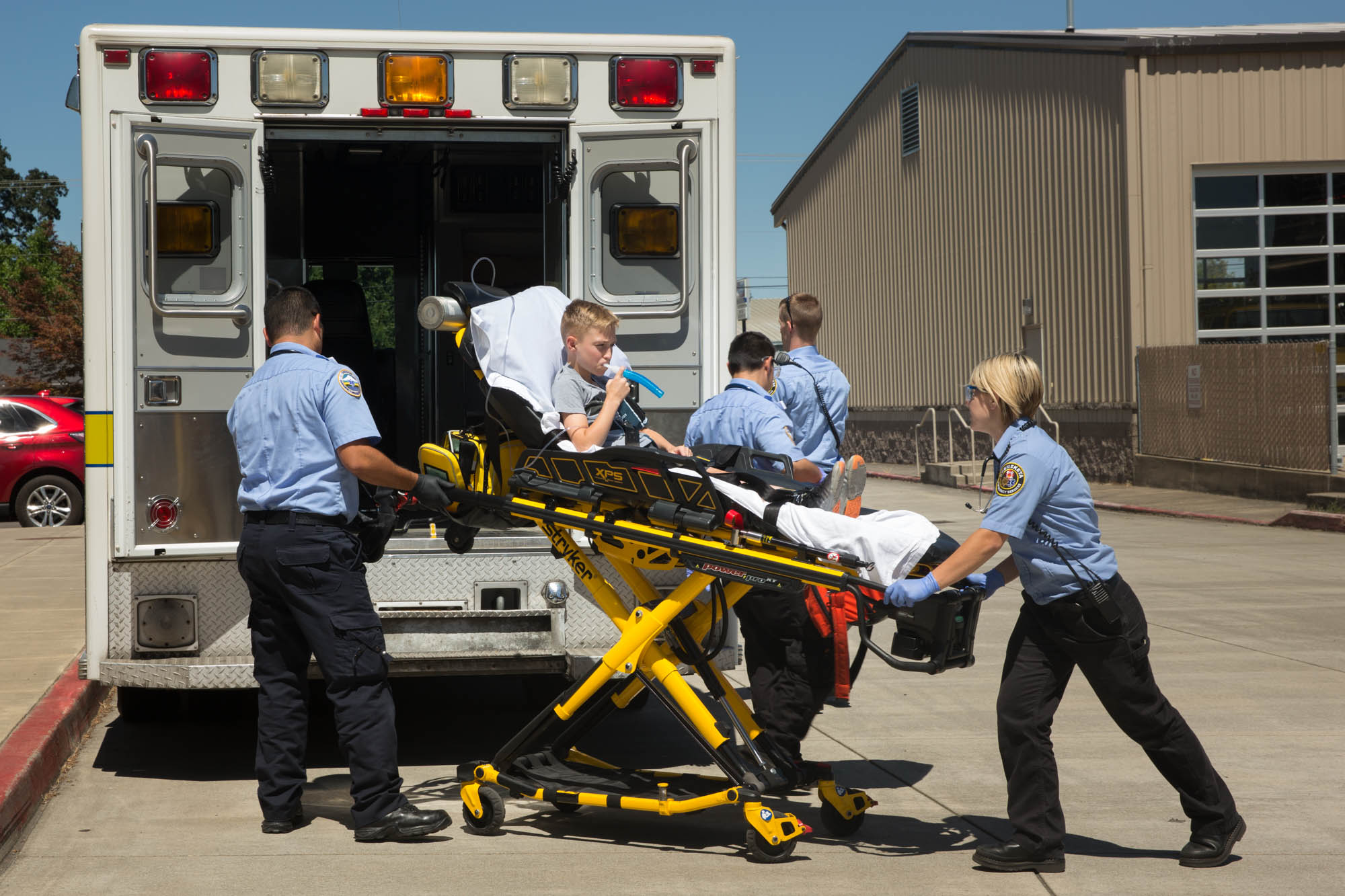
Efficient Emergency Medical Services Response
In today’s fast-paced world, the ability to provide swift and efficient emergency medical services (EMS) can be the difference between life and death. With the increasing demand for rapid response, healthcare systems must continuously adapt and innovate. This article delves into the core strategies that ensure an effective EMS response, highlighting the importance of timely interventions, skilled personnel, and advanced technology.
The Importance of Speed in Emergency Response
Time is of the essence when dealing with medical emergencies. The quicker the response, the better the chances of survival and recovery for the patient. Here are some critical components that contribute to a speedy EMS response:
- Strategic Location of Ambulance Stations: Positioning ambulances strategically throughout a region can significantly reduce response times.
- Advanced Dispatch Systems: Utilizing cutting-edge technology to prioritize and allocate resources efficiently.
- Continuous Training: Regular training sessions for EMS personnel to ensure they are prepared for any situation.
For more on optimizing response times, discover expert strategies here.
Leveraging Technology for Better Outcomes
Modern technology plays a pivotal role in enhancing the efficiency of EMS. By integrating advanced systems and tools, EMS providers can streamline operations and improve patient care.
Telemedicine Integration
Incorporating telemedicine allows EMS personnel to consult healthcare professionals remotely, providing immediate medical advice and support during emergencies. This not only aids in decision-making but also enhances the quality of care provided on the scene.
To explore more on telemedicine applications in EMS, explore advanced guides and tips.
Skilled Personnel: The Heart of EMS
The effectiveness of EMS is heavily reliant on the skills and expertise of its personnel. Ensuring that EMS workers are adequately trained and supported is vital for a successful emergency response.
Comprehensive Training Programs
EMS personnel undergo rigorous training to handle a wide range of medical emergencies. Regular updates and refresher courses are essential to keep them abreast of the latest medical practices and technologies.
- Simulation-Based Training: Utilizing realistic scenarios to enhance decision-making skills.
- Cross-Disciplinary Collaboration: Encouraging teamwork with other healthcare professionals for holistic patient care.
Learn about our tailored solutions to training here.
Community Involvement and Awareness
Community engagement plays a crucial role in the success of EMS. Educating the public about emergency procedures and the importance of timely calls for help can significantly impact the outcomes of emergencies.
Public Education Programs
These programs aim to inform the community about how to respond during medical emergencies, the importance of accurate information when calling for help, and basic first aid skills.
Find out more about this approach by visiting our advanced resources.
To see how these strategies are perceived by the public, check out customer reviews here.
Conclusion
Efficient EMS response is a multifaceted challenge that requires the integration of speed, technology, skilled personnel, and community involvement. By adopting innovative strategies and continuously improving practices, healthcare systems can provide better and more timely care to those in need. For those interested in the latest developments in EMS, visiting resources such as this comprehensive guide can provide valuable insights.
About the Author